
Black Wattle
Acacia mearnsii — Western Cape
Burns (approx./Drop)
~2.5–3.5 hours
Moisture
10–15%
From
R89/Drop
Why choose Black Wattle Firewood?
The easy-to-light everyday wood. Catches fast with a lively flame — perfect for getting an open fire or fire pit going. A locally cleared invasive, so it's good for your fire and the environment.
About Black Wattle
Black Wattle (Acacia mearnsii) is a dependable local hardwood sourced from Western Cape plantations. It catches fast with a lively flame — perfect for getting an open fire or fire pit going quickly.
Dried to 10–15% moisture, it is safe for both open and closed fireplaces. A locally cleared invasive species, so burning it is genuinely good for the environment.
Burns steadily for 2.5–3.5 hours at a moderate temperature, producing good heat and decent coals.
Sourced fromLocal / SA
Cleared from Western Cape coastal areas and plantations as part of invasive alien plant management. Burning Black Wattle supports local ecosystem restoration.
Best for
- Open fireplaces
- Closed-combustion stoves
- Fire pits
- Steady heat fires
When not to choose Black Wattle
- High-heat braai cooking (use Kameeldoring or Sekelbos)
- All-night fires (burns faster than premium hardwood)
WoodDrop tip
Black Wattle catches fast — ideal if you want a fire going quickly without fussing with kindling.
How much Black Wattle do I need?
Black Wattle goes approximately four to five evening fires per Drop (≈ 18 kg) in an open fireplace, or two to three braai sessions. For a Cape Town winter of three fires per week across four months, a half-bakkie (≈ 306 kg / 17 Drops) is a good seasonal stock. Black Wattle burns slightly longer than Blue Gum, so a Drop goes a little further per fire.
How long does Black Wattle burn?
Black Wattle burns for two and a half to three and a half hours per Drop. The density of 800 kg/m³ is slightly lower than Blue Gum but still sufficient for a long evening fire. The 2.5–3.5 hour range is reliable for Cape Town winters — enough for most movie nights or a dinner with guests. Coal quality is moderate, suitable for casual grilling.
Black Wattle vs Blue Gum
Black Wattle and Blue Gum cost the same at R89/Drop and both come from Western Cape invasive clearing or plantation stock. Black Wattle burns longer per Drop (2.5–3.5 hours versus 2–3 hours) and produces slightly more pieces per Drop (23–36 versus 18–30). Blue Gum lights a little faster and is the recommended choice for closed combustion stoves. If burn time matters, choose Black Wattle; if you have a closed-combustion unit, choose Blue Gum.
How to light Black Wattle
Black Wattle lights readily — faster than most hardwoods. A single firelighter cube and one or two pieces of kindling will start it reliably. Stack kindling loosely over the firelighter, place two or three pieces of Black Wattle on top, and light. Black Wattle's slightly lower density means it catches quickly and builds to full heat faster than Blue Gum or the premium hardwoods.
Storing Black Wattle in Cape Town
Store Black Wattle off the ground on a pallet or rack, covered on top but open on the sides for airflow. Cape Town's winter north-westerly and summer south-easterly can both carry moisture — position the stack against a protected wall where possible. Black Wattle arrives at 10–15% moisture and holds this level if kept out of rain. Re-dry any wet pieces loosely in a ventilated spot for one to two weeks before burning.
Common questions about Black Wattle
Is Black Wattle good for an open fireplace?
Black Wattle is one of the best choices for open fireplaces. It lights fast with a lively, visible flame — the satisfying kind of fire to watch from the sofa. It burns at 10–15% moisture, produces low smoke, and leaves a reasonable coal bed.
Can Black Wattle be used in a closed combustion stove?
Black Wattle is suitable for closed combustion units at 10–15% moisture. It burns cleanly and holds the stove temperature well. Blue Gum is the preferred choice for closed units because it is resin-free and slightly cleaner-burning, but Black Wattle is a workable alternative when Blue Gum is not available.
Is burning Black Wattle good for the environment?
Burning Black Wattle (Acacia mearnsii) is genuinely good for the Western Cape environment. It is an invasive alien species that outcompetes fynbos and drains groundwater. Clearing it restores native vegetation. WoodDrop sources Black Wattle from invasive-plant removal operations, so each bag funds the clearing work.
How long does Black Wattle take to light?
Black Wattle is one of the fastest-starting hardwoods. Use one firelighter cube and a few pieces of kindling. Its lower density relative to premium hardwoods like Kameeldoring means it reaches flame temperature faster.
You might also consider
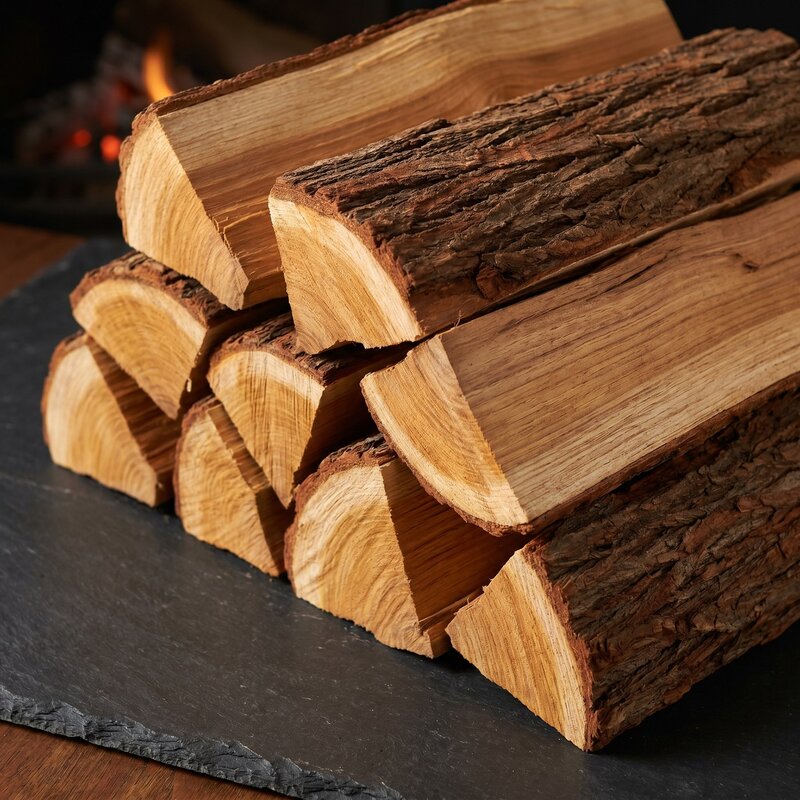
Black Wattle
Acacia mearnsii — Western Cape
Other wood types
View all
Why WoodDrop
- ✅ Verified suppliers only
- ✅ Moisture-tested wood
- ✅ Money-back guarantee
- ✅ Cape Town next-day delivery